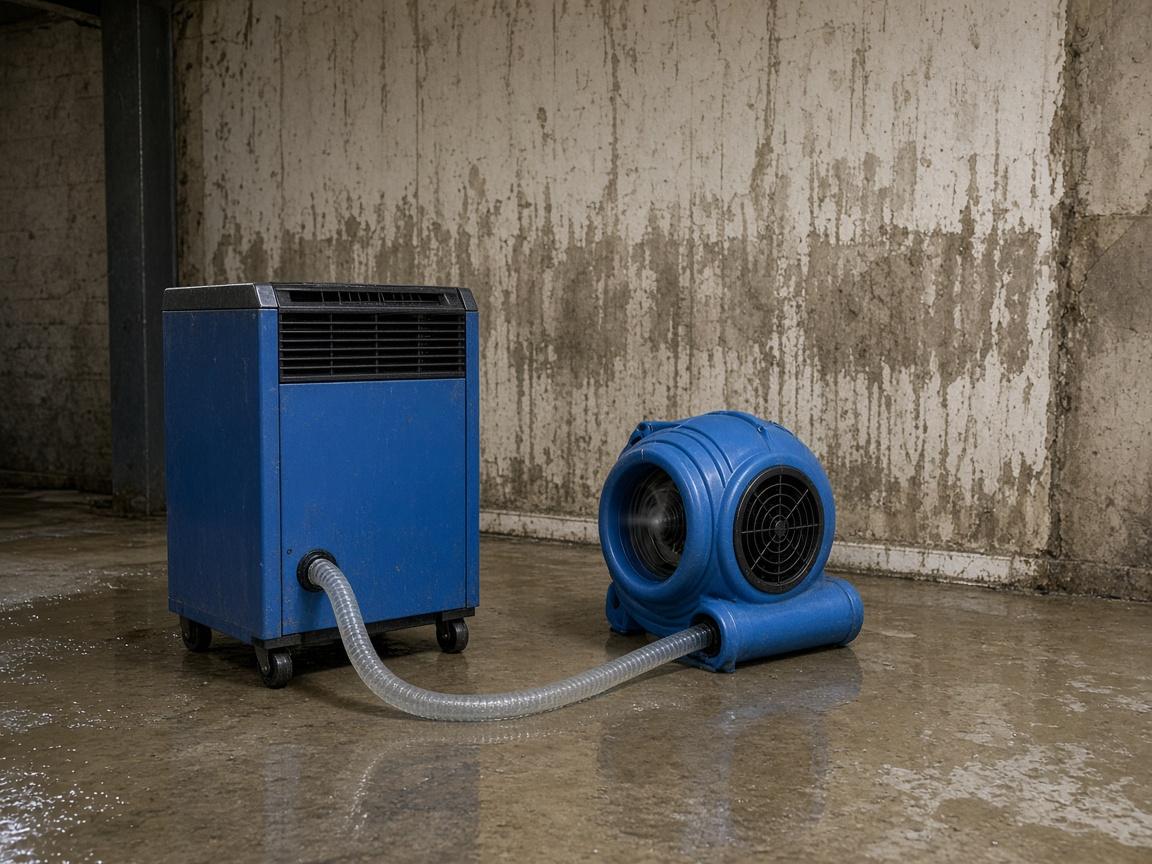
Water damage is deceptive. What looks like a simple wet floor often conceals moisture that has wicked deep into wall cavities, subfloor assemblies, and structural framing. By the time you can see visible damage — staining, warping, soft spots — the underlying structure may have been compromised for days.
Full water damage restoration isn't just extraction and drying. It's a systematic process of moisture mapping, structural drying, contamination treatment, and rebuild. Every step matters, and cutting any one of them short leads to mold, structural deterioration, and repeat problems.
Across Metro Vancouver, we respond to water damage events from all sources: pipe failures, appliance leaks, roof infiltration, foundation seepage, and severe weather flooding. No two jobs look exactly alike, but the restoration process is always methodical.
IICRC S500 Standard — What It Means For Your Restoration
The IICRC S500 is the industry standard for water damage restoration. It classifies water by contamination category (1 through 3) and damage by class (1 through 4) to determine the correct scope of work. Category 1 clean water requires different protocols than Category 3 black water. Class 4 specialty drying — wet concrete, hardwood, saturated masonry — requires different equipment placement than Class 1 surface wetting. Our technicians are trained to S500 standards and apply the correct protocol based on what they find, not a one-size-fits-all approach.
Moisture Mapping: Finding What You Can't See
Water doesn't stay where it lands. It follows the path of least resistance — down through subfloor assemblies, sideways along vapour barriers, into wall cavities through electrical penetrations and pipe chases. Thermal imaging cameras reveal temperature differentials that indicate hidden moisture, while calibrated pin and pinless moisture meters give us quantitative readings in wood and concrete. We map every affected zone before drying starts, and re-measure daily until the structure is confirmed dry.
Water Categories and Why They Matter
Category 1 water (from a clean source like a supply line or appliance) is the least complex — extraction and drying with limited antimicrobial treatment. Category 2 (grey water from appliance drains, toilet overflow without solids) requires full antimicrobial treatment and may require removal of porous materials depending on contact time. Category 3 (black water — sewage, groundwater, flood water) is a biohazard requiring full PPE, controlled demolition of contaminated porous materials, and comprehensive sanitization. The category can escalate with time — Category 1 water sitting for 48+ hours may upgrade to Category 2 due to bacterial growth.
What Gets Replaced vs. What Gets Dried
Non-porous materials — concrete, tile, most metals — can typically be dried in place. Semi-porous materials — drywall, OSB, plywood — can sometimes be saved with aggressive drying if extraction started quickly. Porous materials — fibreglass insulation, carpet padding — almost always require removal because they can't be dried effectively and harbour mold. Structural framing is generally dried in place unless it's already compromised. We make these calls based on moisture readings and contamination category, not cost-cutting.
The Rebuild Phase
After drying is confirmed and mold risk is addressed, restoration and rebuild begin. This includes replacing removed drywall, vapour barriers, and insulation; repairing or replacing damaged flooring; priming and painting affected areas; and addressing any structural repairs identified during the job. The goal is returning the space to its pre-loss condition — or better.
Preventing Recurrence After Water Damage Restoration
Restoration also includes identifying what went wrong and, where possible, addressing the root cause. A burst pipe gets repaired. A foundation crack gets sealed. A failed sump pump gets replaced. A sewer lateral with root intrusion gets noted for your plumber. We're not plumbers or roofers, but we know what caused your water event and we'll tell you clearly so you can address it.
Frequently Asked Questions
How long does water damage restoration take?+
Drying typically takes 3 to 7 days depending on severity. Rebuild time varies from a few days to several weeks for complex jobs with significant structural work. We provide a written scope before work begins.
Can I stay in my home during restoration?+
For most water damage events, yes. Sewage backup situations may require temporary displacement. Industrial equipment is noisy but generally safe to live around.
Do you handle the full job from extraction to rebuild?+
Yes. We manage the full process — extraction, drying, cleanup, mold prevention, and rebuild. You don't need to coordinate multiple contractors.
How do I know if my walls have hidden moisture?+
Thermal imaging and moisture meters are the only reliable way to find hidden water. Visual inspection misses a large percentage of moisture pockets. This is why professional assessment matters even for seemingly small events.
Related Services
Basement Flooding
Your basement took on water — and every extra hour means deeper damage, spreadin...
Water Extraction
Standing water is a structural and health threat. The faster it comes out, the l...
Basement Water Damage
After the water is out and everything is dry, the repair phase begins. Drywall, ...