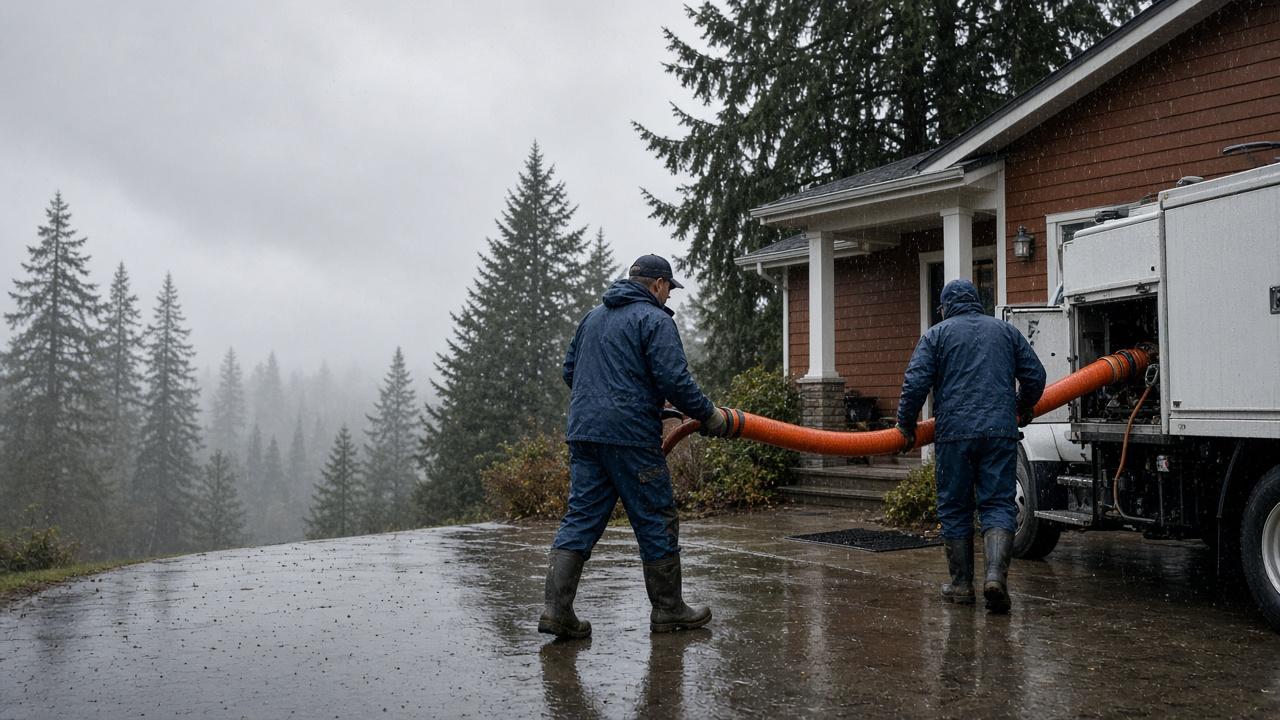
Expert Basement Flooding Repair in Vancouver BC.
Water in your basement? We show up fast, pull it out, and dry the structure completely. IICRC-certified technicians serving all of Metro Vancouver.
4.6 star rated on Google
Restoration Services in Vancouver
From a flooded basement to water-damaged ceilings — we handle the extraction, drying, cleanup, and repairs. One call covers it all.
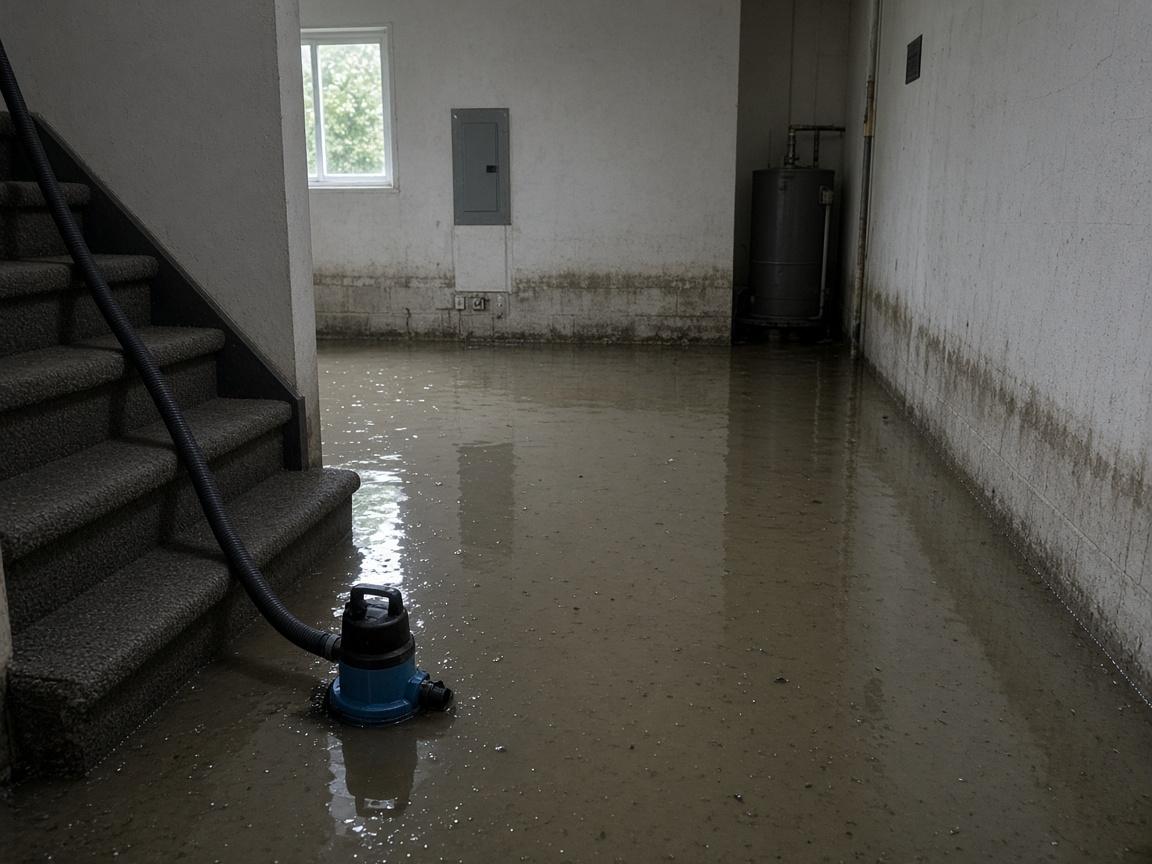
Basement Flooding Repair
Your basement took on water — and every extra hour means deeper damage, spreading mold, and more money out of pocket. Our crew shows up fast, pulls the standing water out, and dries the structure completely so you're not dealing with secondary problems for months.
Learn More →
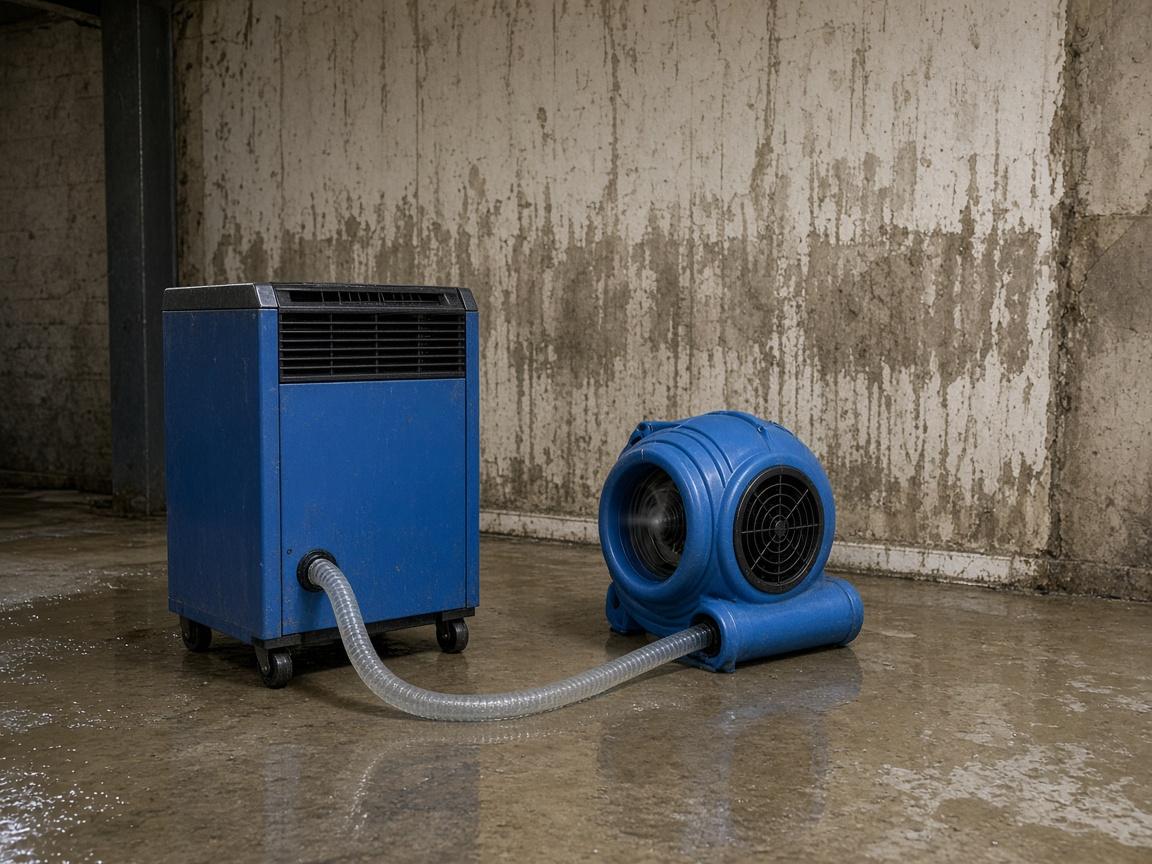
Water Damage Restoration
Water damage goes deeper than what you can see. Moisture wicks into walls, subfloor, and framing within hours. Full restoration means drying every affected material, not just mopping up the surface.
Learn More →
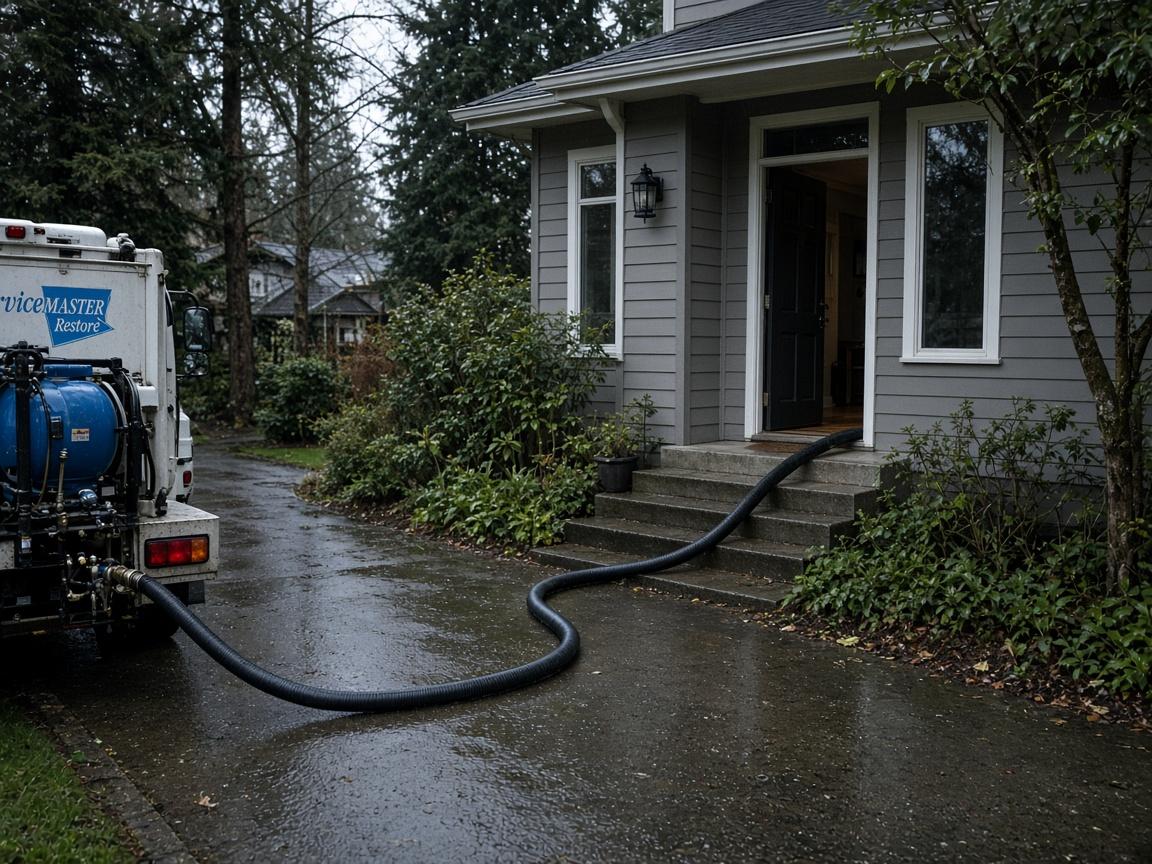
Emergency Water Extraction
Standing water is a structural and health threat. The faster it comes out, the less damage spreads. We use truck-mounted extractors that pull thousands of litres per hour — no small shop-vac stuff.
Learn More →
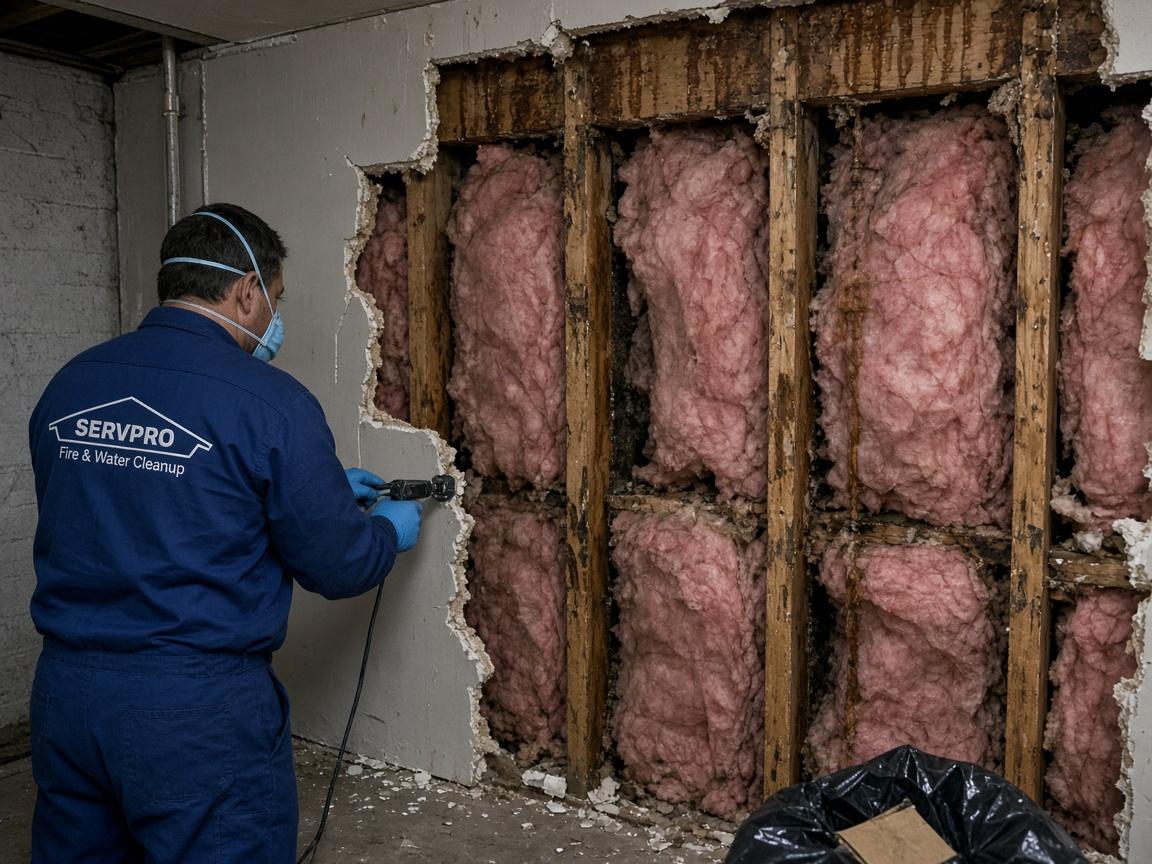
Basement Water Damage Repair
After the water is out and everything is dry, the repair phase begins. Drywall, insulation, framing, vapour barriers, subfloor — whatever the water compromised, we rebuild it properly.
Learn More →
Water Damage Cleanup
Cleanup after a flood isn't just hauling out wet stuff. Contaminated water brings bacteria, sewage, and biohazards. We handle the debris, the contamination, and the sanitization so the space is safe.
Learn More →
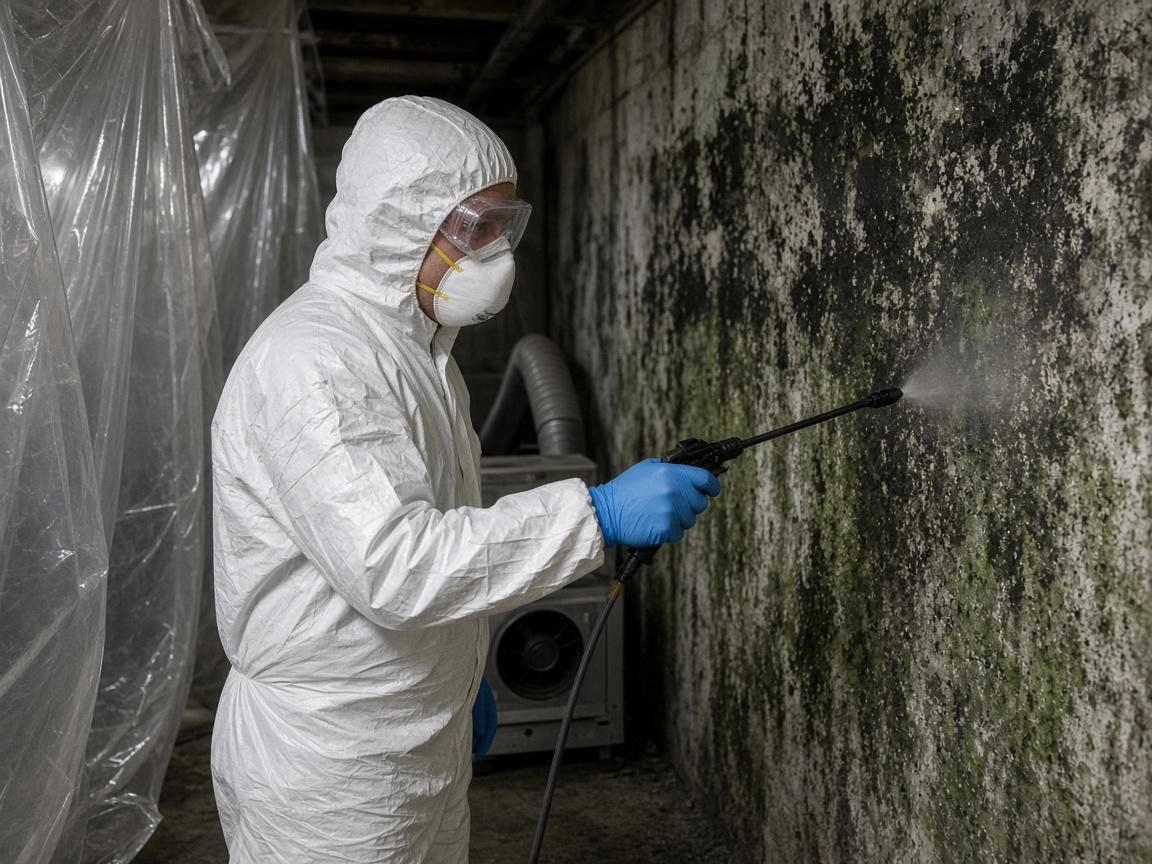
Mold Removal & Remediation
Mold after a flood can start growing in 24–48 hours. Left alone it spreads through walls, HVAC systems, and into living areas. Remediation done right means proper containment, negative air pressure, HEPA extraction, and verified clearance.
Learn More →
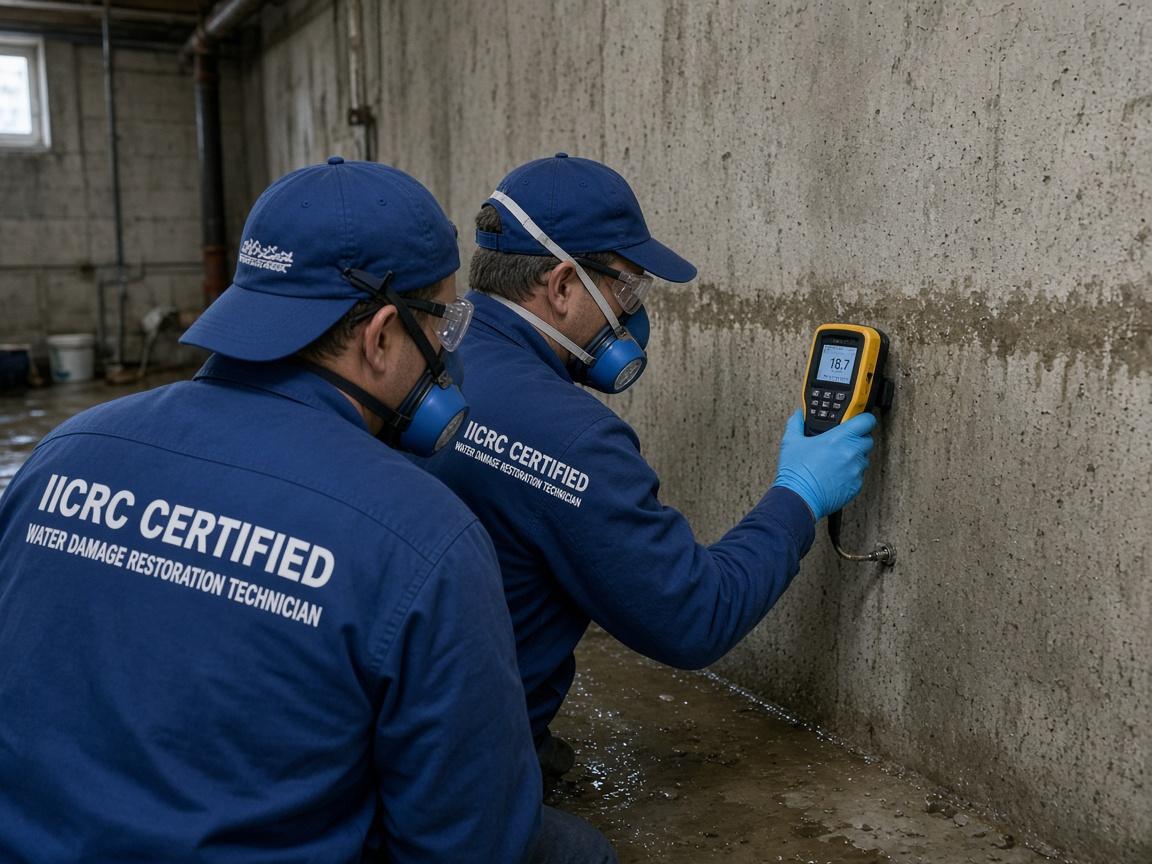
IICRC
Institute of Inspection, Cleaning and Restoration Certification
Vancouver's Water Damage Specialists
Vancouver's climate puts homes at real risk — heavy rain, aging sewer systems, and hydrostatic pressure from the North Shore mountains combine to make basement flooding one of the most common and costly home emergencies in the Lower Mainland.
Basement Flooding Repair Vancouver brings IICRC-certified technicians, industrial drying equipment, and a methodical process to every job. We don't just dry the surface — we track moisture in the framing, subfloor, and wall cavities until the structure hits safe levels.
- Industrial LGR dehumidifiers and truck-mounted extractors
- Thermal imaging to find hidden moisture pockets
- Daily moisture readings with written documentation
- Full repair and rebuild — not just drying
- Mold prevention treatment on all affected surfaces
- Clear communication throughout every job
Our 4-Step Restoration Process
Every job follows the same proven process. No shortcuts, no guesswork.
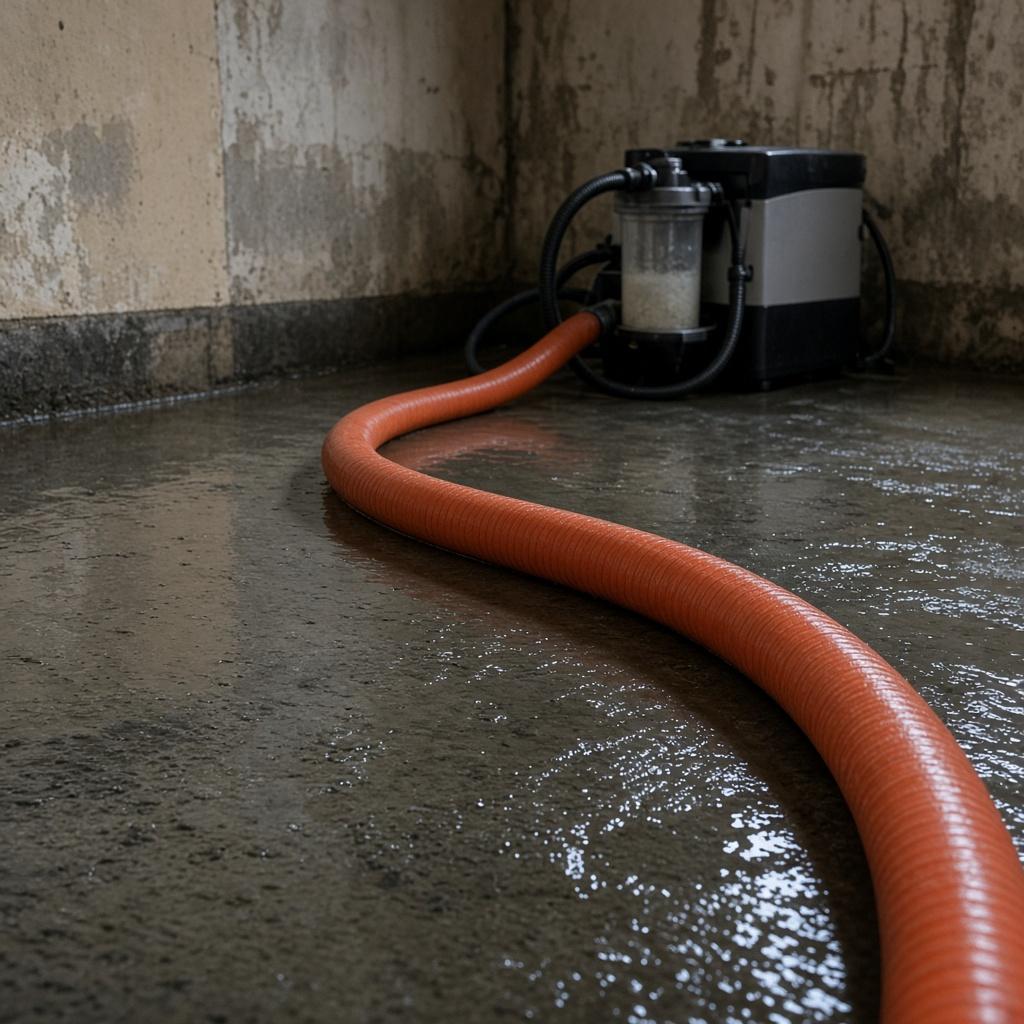
Emergency Water Removal
Truck-mounted extractors pull standing water out fast — thousands of litres per hour. The faster it's out, the less damage spreads to walls, framing, and finishes.
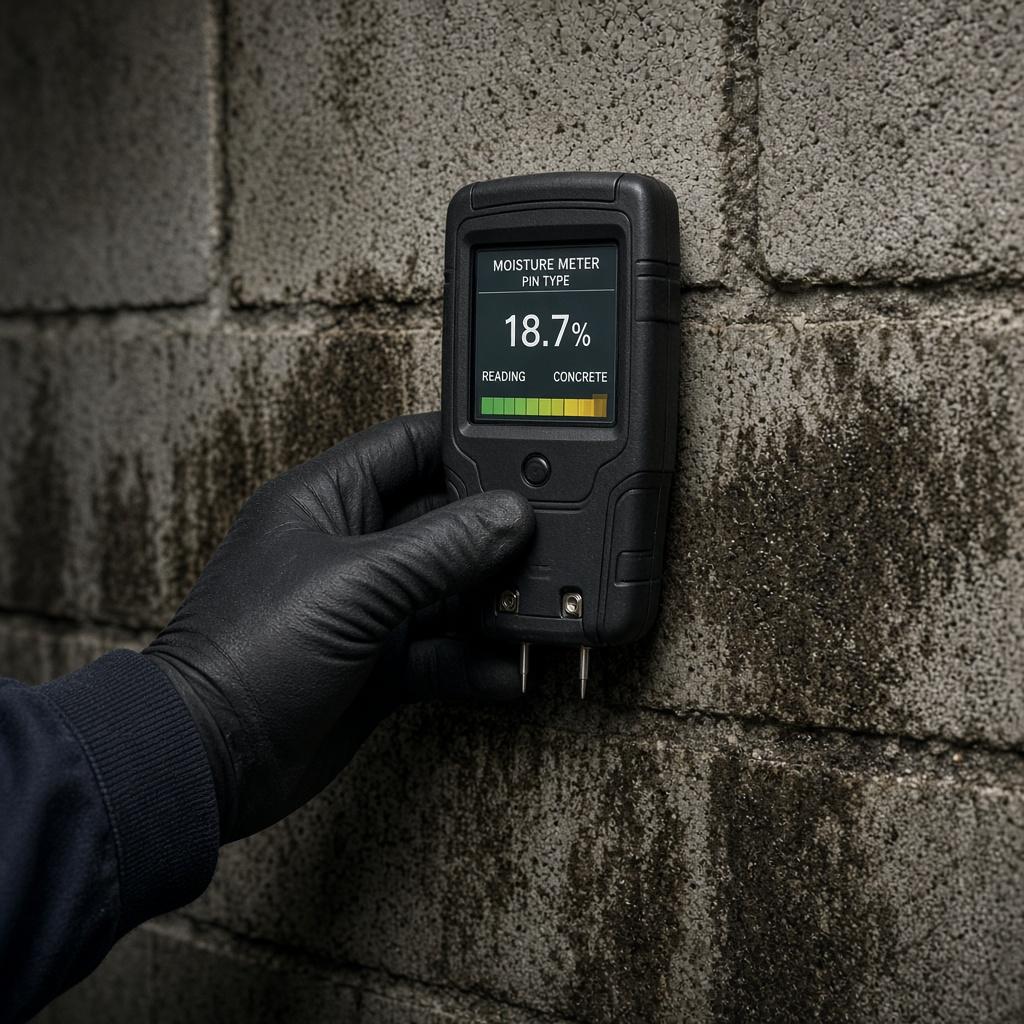
Moisture Mapping & Assessment
Thermal cameras and moisture meters find hidden water in walls, subfloor, and framing that you can't see. We document everything before and throughout the drying process.
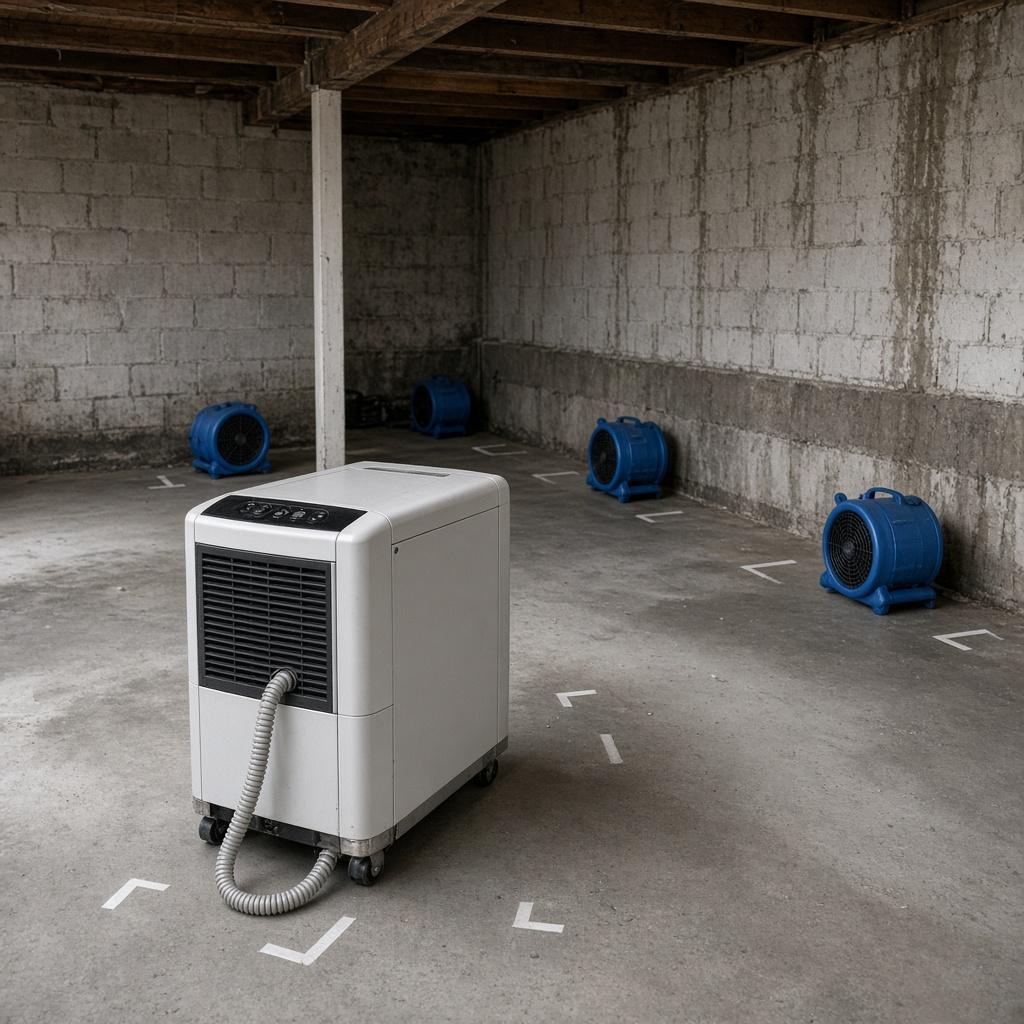
Industrial Drying
LGR dehumidifiers and high-velocity air movers dry the structure completely. Daily monitoring ensures readings hit the target range before equipment is removed.
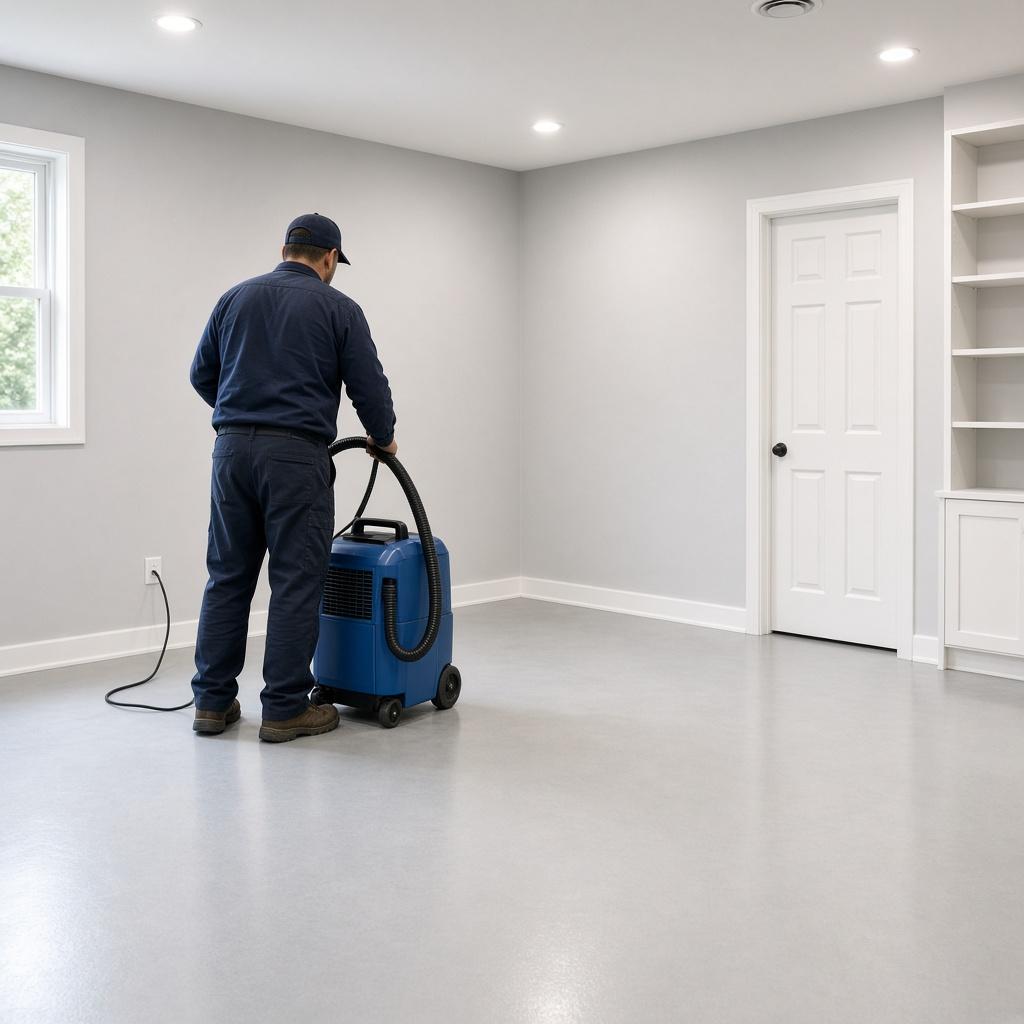
Cleanup, Repair & Rebuild
Damaged drywall, insulation, vapour barriers, flooring, and trim get repaired or replaced properly. The goal is a finished space — not just a dry one.
Basement Flooding Restoration Across Metro Vancouver
Basement Flooding FAQs
How fast can you respond to a flooded basement in Vancouver?+
Response times vary by crew availability and location, but we prioritize emergency calls and move as quickly as possible. If you have active flooding, call immediately — the sooner water is removed, the less structural damage you'll deal with.
Does home insurance cover basement flooding in BC?+
It depends on your policy. Most standard home insurance in BC doesn't cover overland flooding, but many policies do cover sudden and accidental water damage from a burst pipe, appliance failure, or sewer backup (with the right endorsement). Document everything before cleanup — photos, videos, and written notes — and call your insurer right away.
How long does it take to dry out a flooded basement?+
A properly dried basement typically takes 3 to 5 days with industrial equipment, though severe cases or ones with thick concrete or dense framing can take longer. The timeline depends on how much water came in, what materials are affected, and how quickly extraction starts. We run daily moisture readings and don't wrap up until numbers are in the target range.
Can mold grow after a basement flood in Vancouver?+
Mold can start colonizing in as little as 24 to 48 hours in the right conditions. Vancouver's wet climate and basements with limited airflow are particularly susceptible. Proper drying and antimicrobial treatment after a flood are the best defences. If the basement wasn't dried quickly or completely, mold inspection and remediation may be necessary.
What's the difference between water extraction and structural drying?+
Extraction removes the standing and pooled water you can see. Structural drying is what happens after — industrial dehumidifiers and air movers remove the moisture that's soaked into concrete, framing, drywall, and insulation. Both steps are essential. Doing extraction alone leaves the structure wet and sets the stage for mold and deterioration.
Do you handle sewage backup cleanup in Vancouver?+
Yes. Sewage backup is classified as Category 3 (black water) contamination, which carries serious health risks from pathogens. We use full PPE, proper disposal protocols, and antimicrobial treatment throughout. This isn't a job to handle yourself with a mop and bleach.
Types of Basement Flooding in Vancouver
A wet basement in Metro Vancouver is rarely just "water." Heavy rain, a sewer main at capacity, groundwater pushing through a foundation, or a split supply line all show up as a flood from the stairs. The source decides the contamination level, which materials have to come out, and how the dry-out is set up.
01
Sewer Backup
How it starts. During a hard rain, combined sewer mains in older Vancouver, Burnaby, and New Westminster neighbourhoods fill up and reverse. Sewage comes back through floor drains, laundry stands, and basement toilets. This is Category 3 black water. It carries bacteria and it soaks into anything porous it touches.
What we do. We extract it with the right containment, remove carpet, pad, and wet drywall that can't be saved, then sanitize the remaining surfaces before structural drying starts. A shop vac and bleach do not make a sewage backup safe.
02
Storm and Overland Flooding
How it starts. Surface water from a saturated yard, a blocked storm drain, or runoff down a sloped driveway finds the low opening: a basement door, a stairwell, or a window well. Fall and winter storms are when this shows up most often across the Lower Mainland.
What we do. Standing water comes out first. Then we map where it travelled into wall cavities, insulation, and the subfloor, and dry those hidden areas. The visible puddle is usually the small part of the loss.
03
Groundwater and Foundation Seepage
How it starts. Hydrostatic pressure pushes water through foundation cracks, tie holes, and the cove joint where the wall meets the slab. Hillside homes on the North Shore and properties on a high water table, including much of Richmond and low-lying Surrey, see this after days of rain even when nothing inside the house has failed.
What we do. We remove the water, dry the slab and the bottom of the wall assembly, and show you the entry path. Drying stops the damage. A drain, a crack repair, or a working sump is what keeps it from coming back.
04
Burst Pipes and Supply Line Failures
How it starts. A frozen line, a failed fitting, or a pinhole in copper can dump clean supply water for hours before anyone is home. At the start this is Category 1 water. Leave it sitting and bacteria move it toward grey water within a day or two.
What we do. Fast extraction and targeted drying are what save hardwood, cabinetry, and drywall on a clean-water loss. We meter the materials and only remove what is actually saturated.
05
Appliance and Water Heater Leaks
How it starts. Washer hoses, dishwasher connections, fridge lines, and a failed water heater tank leak slowly, then all at once. The water often runs under the finished floor and along the plate line, so the room looks mostly dry while the subfloor is soaked.
What we do. Moisture meters and a thermal camera find the real footprint. We lift or cut only where the readings say the water went, dry the assembly, and treat the surfaces so a slow leak doesn't turn into a mold job a month later.
06
Sump Pump and Window Well Flooding
How it starts. A dead pump, a stuck float, a frozen or clogged discharge line, or a window well with nowhere for rain to go. The pit overflows, or the well fills and spills over the window sill, usually in the middle of the storm when the pump was supposed to be working.
What we do. We pump the space out and dry what the overflow reached. On the way through we check the pump, the float, the discharge, and the well drain so you know which of those let the water in.
Flooded Basement in Vancouver? We're Ready.
Don't wait. Every hour water sits in your basement adds to the damage. Call now and get a crew moving.